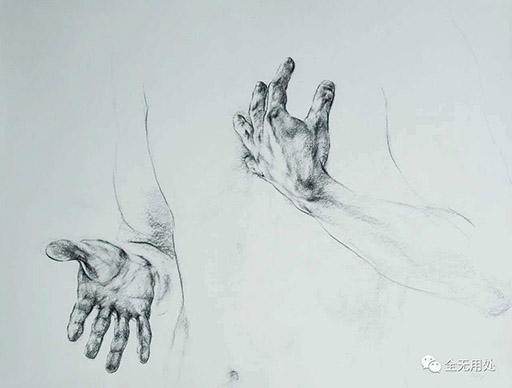
After stopped taking the pill for 3 months, Paranoia came back. I started thinking of there were many people watching me. I’ve been monitored. No matter what I do, there were people knowing it. As I started painting again in my studio, they set up some gears in that room and watched me online.
Yup, I am crazy I guess.
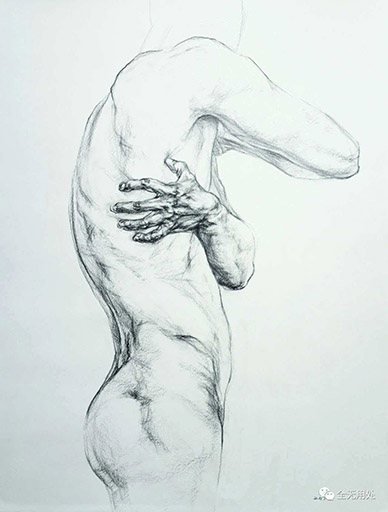
This was not the first time I am having this kind of thoughts. It started right back in Vancouver and by that time, I drank a lot. One night, 2 police officers sent me to a mental hospital after I made loud noise on my balcony and thrown a vine bottle off on street.
Yes, I must be crazy I am sure.
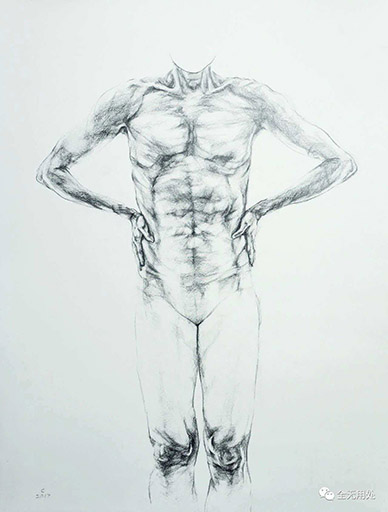
Few weeks ago, my ex noticed I sigh a lot and she must started worrying. I didnt tell her and her family I decided to start painting again. And I didnt want her family to know that I’m about to run a small business and quit my job. All these must let her and her family think that I dont treat her family as my own family. She might tell her family that I have uncertain psychosis(result from a Psychiatrist), possibly Schizophrenia or bipolar disorder(I think what I have). And her family decided to stop our relationship. This was totally understandable.
As a sick man, I should tell the situation right at the beginning.
Fighting with all the delusions is exhausting. I became super sensitive to sound, signs on people’s cloth or belongings, or whatever happening around me. I recognized those are signals from unknown people. They talked to me by this subtle way. They will never talk face to face cause this was kind a rule of the game. I dont really like it and I rebel, by hurting myself. Whenever I think they might tell me not to do things so I burned myself by using cigarettes butt. I burned 3 holes on left arm and cut 4 slides. Comparing with the annoying constant crazy thoughts, this kind of pain was nothing.
I thought I already dead after I know I possibly have schizophrenia. The thing I’ve not prepared for is this will last forever.
The thing kept me alive is sort of my righteous thoughts. I believe they are helping me. All the good or bad were initialed by kindness. Even if I dont like what I got, I might at least tolerate it.
Real or paranoia, in fact or delusion, I can not distinguish. Sometimes I think I know whats going on, sometimes I started to doubt. Right now, I am alone in dark. What really is happening? The feeling is somewhere in-between, in the middle of nowhere.
I am in a somehow stable condition and doing my own thing. I intended to write this down in English cause I am not ready to face on everybody knows I have certain problems. If you take the time and read the whole thing and got the idea, let’s keep it under the hood.
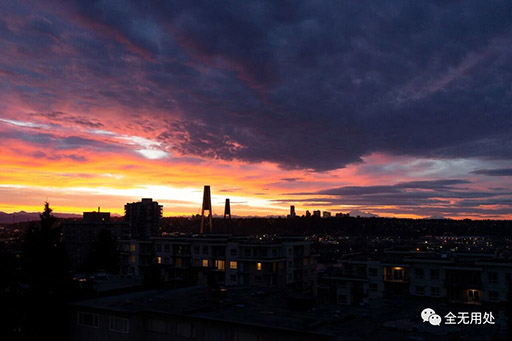
The view outside my apartment window—probably early morning.I’m working on a series titled Unspoken Silence.I thought I should promote my work a little, so I decided to write down my thoughts.This text is an artist statement for the work I’m creating; the actual pieces are still in progress.
Below is a short poem I wrote:
Unspoken Silence-tranquil unspokenSwing-rotate and fallen-Darkened spirit lingering around-Thin and translucent layers divide-Fastened hearts
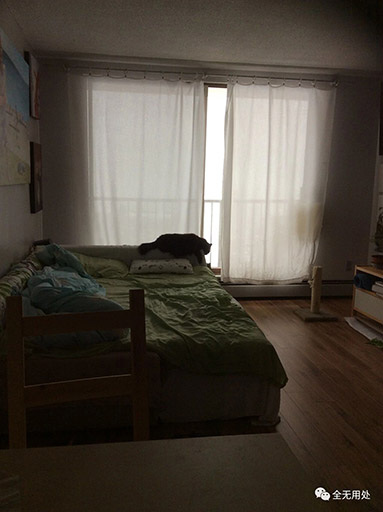
I spent my last few years in Vancouver in a small apartment:working full‑time or part‑time, painting, drinking.It was actually quite happy, in its own way.
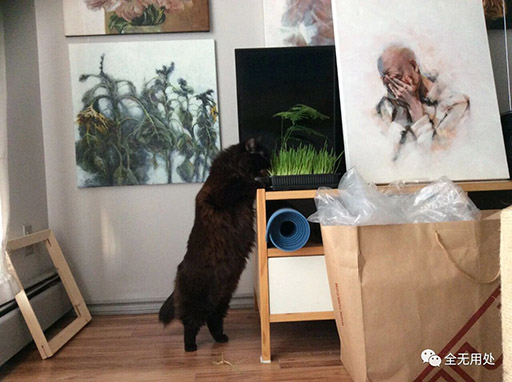
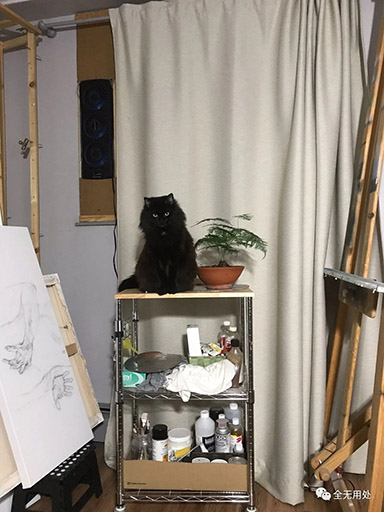
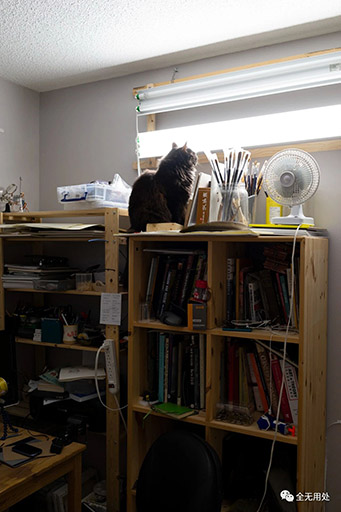
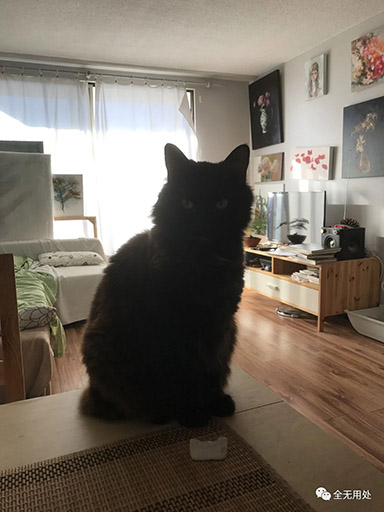
The black cat I adopted had a bad temper.But as time passed, maybe out of loneliness,she would lie on my lap while I painted,or on my arm while I played games.
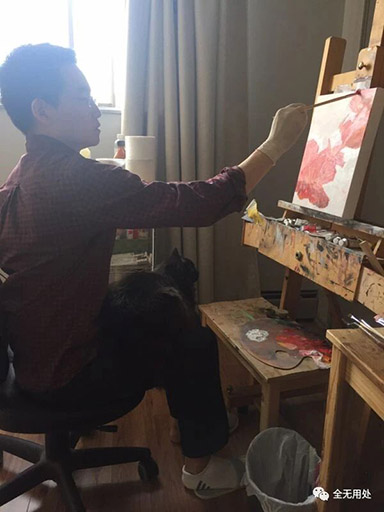
I had almost lost my ability to socialize.I didn’t want to talk, didn’t want to see anyone.The curtains were always drawn.
Every night after painting, I would buy wine.Drinking red wine alone, I had no patience for glasses—I drank straight from the bottle.To get drunk faster, I deliberately skipped dinner.One big gulp, and a burning sensation hit my stomach;at the same time, lightning seemed to flash through my mind.My tightened nerves relaxed at once.
I’ve read that alcohol takes effect immediately.Reality is exactly like that.I don’t know why the nerves react so quickly—as soon as alcohol touches the stomach lining,my heart feels like it has found a place to rest.
After years of drinking,one bottle of red wine was no longer enough to make me sleep.Sometimes I added a big can of beer.Sometimes I drove out to buy another bottle.I always bought the cheapest wine, about 10 Canadian dollars a bottle.I didn’t care about the taste.Tannins were bitter and astringent anyway.
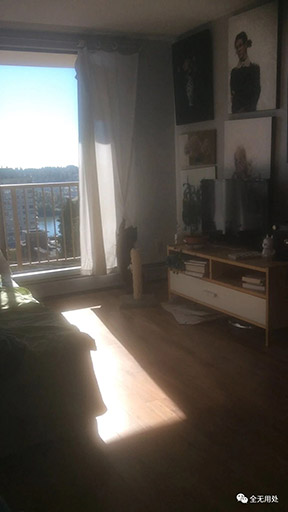
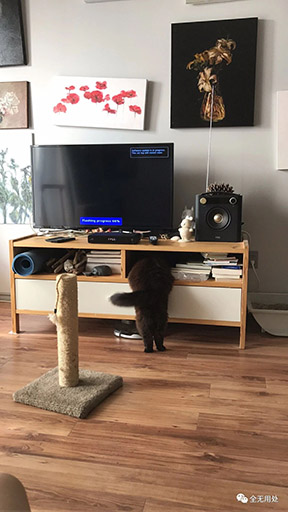
I dated on social apps, tried to be in relationships.Happiness was always extremely short‑lived.I couldn’t maintain a long‑term connection.
With no one to talk to,I put everything I wanted to say into my paintings.
Unspoken Silence is the name I gave this series.There is no particularly profound meaning,no overly abstract philosophy.What it contains is simply a record of a state of being.
I use my own body as the subject—not because I especially like it,but because I had no other models.
Still, I want to ask:Why can’t my sincerity find resonance?
I often want to speak,but don’t know where to start, or who to talk to.Thoughts circle in my head.I sit quietly, enjoying the bliss of being drunk.
I studied in Toronto, Canada for three years and graduated in 2011, then found a job as a 3D animator in Vancouver on the West Coast. When I first arrived in Vancouver, what impressed me most was not the beautiful natural scenery of this tourist city, but an intersection I had to pass on my way to work downtown every day: Main and Hastings. Located in the northeast corner of the city center, this crossroads has a police station and a public library, and it was always crowded with people. Their clothing and state of mind made the uniqueness of this neighborhood obvious at first glance.
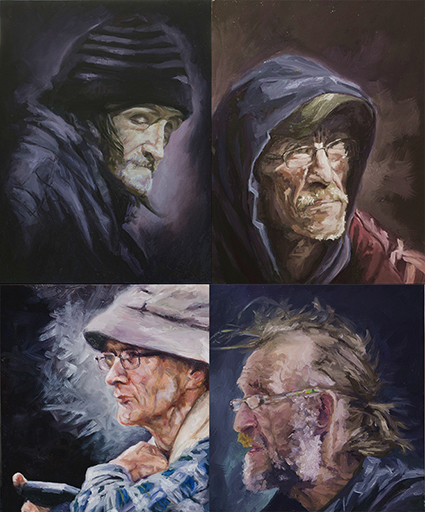
Many of them suffered from various physical or mental disabilities: some limped, others simply used electric wheelchairs. Even those who appeared relatively normal often wore clothes that were out of season, generally worn-out, and sometimes simply dirty. I was really bold back then. I say this because the me today would never walk among them with a camera taking secret photos. At that time, I was gathering material for my paintings.
They often sold strange things. While walking through these neighborhoods, someone might suddenly hold up a brand-new piece of clothing still wrapped in a plastic bag and ask if you wanted to buy it, or pull out a whole carton of yogurt or cheese from under their arm and say, “Five dollars, take it all.” Some set up small stalls: one bottle of shampoo, a jar of pickles, a tube of toothpaste, a bottle of ketchup—all items were single, brand-new, and unopened. They also sold second-hand goods: tangled chargers, outdated CD players, old radios, used clothing. It was very common to see people collecting beverage bottles; many carried huge bags of empty bottles, which could be taken directly to recycling centers for cash.
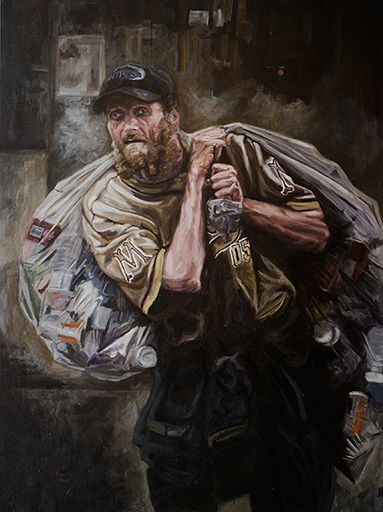
The person in this painting has an eye condition; his eyes gaze in two different directions. He wears a golden ice hockey jersey and a cap, with thick, dark, out-of-season clothing wrapped around his waist. A giant plastic bag slung over him is stuffed full of empty beverage bottles. He is a typical “person on Vancouver streets,” a familiar sight to passersby.
Many locals do not call them homeless; they call them street people. I find the latter term more accurate
I began to pay attention to them through various channels. Once I heard on the radio that someone had written a book of interviews with them called Beggar’s Garden. I bought it right away and read it. Gradually, I learned many of their stories.
The reasons these people ended up on the streets varied: some personal, some family-related. What they had in common was that they all had some means of making a living, whether through government assistance or various short-term temporary jobs. Most had somewhere to live, though often unstable and in very poor conditions—but at night, they still had a place to go. The government provided them with a lot of support and supervision, yet many still chose to wander the streets freely. To me, this choice in itself is neither right nor wrong.
In all likelihood, many had harmful habits such as alcoholism and drug addiction. Over time, both severely damage the nervous system. Drug use, in particular, varies in harm depending on the substance, but mental problems, muscle atrophy, loss of physical function, and severe chronic illnesses are extremely common among them.
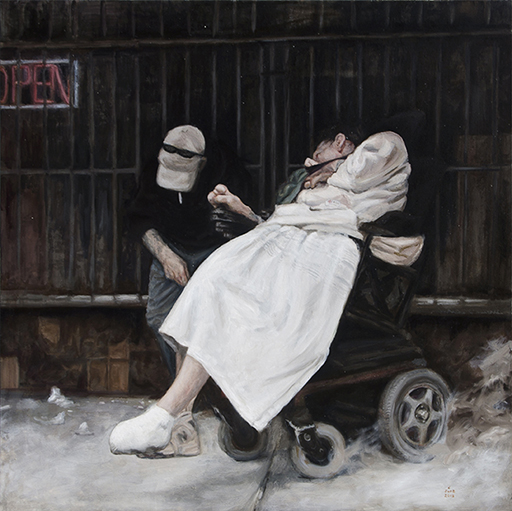
I titled this painting Looking for a Lighter. It seems the man with a cigarette is searching for a lighter. In reality, I was deliberately hiding the truth. The cleanly dressed but disabled elderly woman had likely just run away from a nearby shelter and was buying drugs on the street. Drugs bring her temporary relief, much like alcohol for many others.
Every month, right after the government issues relief funds, it becomes a small occasion for them to indulge. Once the high fades, everything they have to face remains. So they do it again. This cycle repeats day after day, year after year on the streets of Vancouver.
Their fate and destiny are, without question, tragic. And yet, in many cases, it is their own choice.
Many charities help them on the streets, such as giving out free food. Every weekend, I would see churches or organizations arrive in large vans, set up tents, lay out food. No sign‑up needed; people would line up voluntarily, take their food, and leave. It seemed harmonious and warm. But were they truly being “loved”?
I once heard a listener on the radio share his opinion about charities. He said he would never donate to them again, because he had worked briefly as an accountant for one. He had seen the organization’s leaders buy the most expensive plane tickets, stay in the priciest hotels, and eat at the finest restaurants when going to meetings. All of this was counted as organizational expenses—in other words, funded by donations.
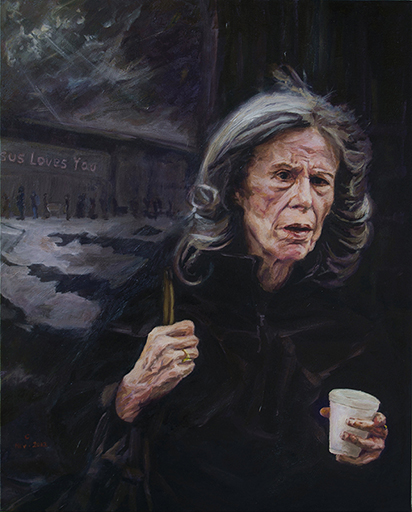
I titled this piece Sus Loves You. It was originally meant to be Jesus, but there wasn’t enough space, so I left out the “Je”.
The woman in the painting has just eaten a simple sandwich distributed by aid workers and holds a disposable styrofoam cup of milk or coffee.
From my observation, many of those who come to help on the streets are well‑dressed, well‑spoken, affluent, and educated people from upper‑class backgrounds. They come to distribute food with warmth and enthusiasm, and must find peace and fulfillment in doing so. I know their hearts are full of love at that moment.
Standing at a distance, I could almost see holy light breaking through Vancouver’s often rainy autumn and winter clouds, shining down on the long line of people waiting for free food on the street.